A note before we begin: I’m a Certified Menopause and Wellness Practitioner, not a medical doctor. I’m also someone who has spent years navigating chronic illness. This is an educational conversation about patient experiences and advocacy, not medical advice. These are conversations we need to start having.
Tuesday · October 20, 2026
What Happens When the Diagnosis Was Wrong?
Christina Applegate’s MS news, the years spent searching for answers, and five conversations the headlines leave unfinished.
Hey you, it’s me.
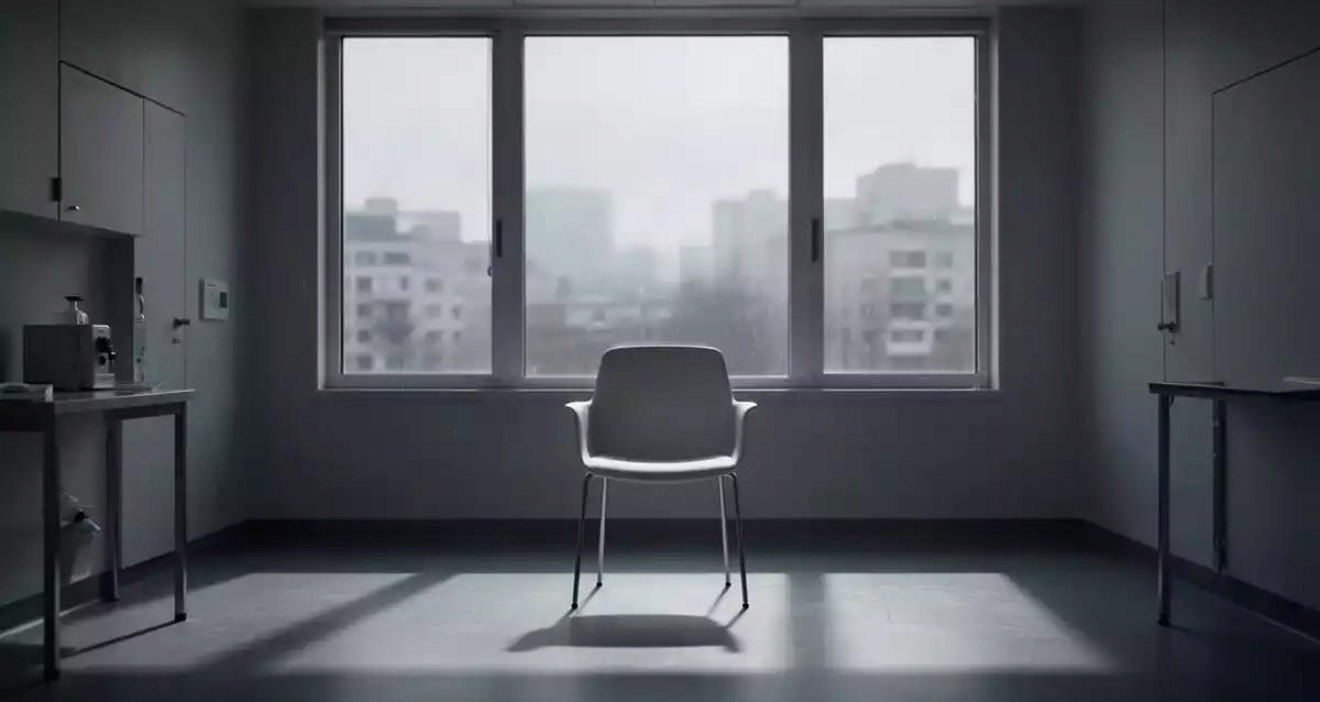
Grab your tea, coffee, or whatever you’re sipping on today, and pull up a chair. We’re going backstage for a conversation I don’t think we’re having nearly enough.
Over the last several hours, I’ve seen article after article about Christina Applegate sharing that doctors now believe she was misdiagnosed with multiple sclerosis. The headlines are everywhere, and I understand why. For years, she lived with that diagnosis, spoke openly about her symptoms, and became a familiar voice to people living with MS. Now, according to her account, she’s been told the diagnosis was wrong.
I’ve read the headlines and the stories, and I keep thinking about everything that comes after them. Because what happens to the years you’ve already spent living around a diagnosis? What about the treatments, the plans you changed, the relationships that shifted, and the future you slowly learned to imagine differently? What happens when your symptoms are still there and the explanation is gone?
And what about the people whose stories never make the news? The man who keeps missing work because he feels awful and no one knows why. The woman who has been told to manage her stress while she keeps looking for answers. The spouse sitting beside someone they love, wondering what the next appointment will bring. That’s the gap I want to talk about with you. Actually, there are five parts of it, and each one deserves a seat at this table.
1. What about the years you cannot get back?
It took me three years to receive my first diagnosis. Then another six or seven years before I finally heard names for conditions I had been living with: interstitial cystitis, fibromyalgia, and lupus. After that came roughly six more years of trying prescriptions, searching for relief, and figuring out how to live in a body that didn’t always cooperate with the life I wanted.
That is not a timeline. That is a life.
Those years had birthdays, school events, vacations, holidays, ordinary Tuesdays, and people I wanted to show up for. Maybe you know what it feels like to hesitate before saying yes to an invitation because you don’t know how you’ll feel that day. Maybe you’ve quietly adjusted your career, your hobbies, or the way you parent because of symptoms nobody else can see.
When a diagnosis changes, the years spent adapting to it don’t vanish. I think that deserves more than a headline. Have you ever stopped to count how much of your life you’ve spent trying to feel better?
2. What happens to the treatment you already received?
This is the question that keeps nagging at me. When someone is told a diagnosis may have been incorrect, what happens to the medications, procedures, specialist appointments, expenses, and decisions made along the way?
Christina has described changes in her medical care as her doctors reconsidered her diagnosis. I don’t have her records, and I won’t guess what any particular treatment meant for her. But her story raises a question you and I can take to our own healthcare teams: if the working diagnosis changes, who helps us review what we’ve already tried and what should happen next?
If you’re in that position, ask what evidence supported the original diagnosis, what new information changed the assessment, whether earlier treatment needs review, and what follow-up is appropriate. Please don’t stop or change prescribed medication on your own. You deserve a careful conversation with the clinician responsible for your care.
3. Are we hearing men and women when they say something is wrong?
I want both men and women at this table. Diagnostic uncertainty doesn’t belong to one gender. The way it shows up can vary by condition, and we have to be careful with the numbers.
A widely cited 2014 study estimated that about one in twenty U.S. adults experiences a diagnostic error in outpatient care each year. That includes missed, delayed, and incorrect diagnoses. It does not mean one in twenty people is told the wrong diagnosis for a particular disease. Research on MS misdiagnosis also shows that the rate depends heavily on who was studied and where patients were evaluated.
Numbers matter, but I keep thinking about the human being behind each one. Have you ever tried to describe what was happening in your body and left an appointment feeling unheard? Maybe stress, aging, hormones, or anxiety were discussed. Those can be relevant medical considerations, but persistent or changing symptoms may need a broader evaluation. Asking what else has been considered is a reasonable question for anyone.
As a menopause and wellness practitioner, I see why overlapping symptoms deserve thoughtful attention. Fatigue, disrupted sleep, pain, and brain fog can have many possible causes. I want you to feel empowered to ask questions without feeling you have to diagnose yourself.
4. What about the family living through it with you?
Illness has a way of changing the rhythm of a household. Maybe your partner handles more because you’re exhausted. Maybe your children know when you’re having a hard day before you say a word. Maybe you’re the caregiver who wants to help but can’t fix what’s happening.
And when the diagnosis changes, the uncertainty can spread through the whole family. Are things going to improve? Were the past treatments necessary? What do we tell people now? How do we plan when we still don’t know what comes next?
I also want to say this to the person who feels guilty for needing help: your worth isn’t measured by how much you can push through. And to the person loving someone through it, your steady presence matters, even when you have no perfect words.
5. What do you do when you’re back at square one?
You ask questions, and then you keep asking until you understand the plan. What findings supported the first diagnosis? What has changed? What other explanations are being considered? Would a second opinion or another specialist help? How should previous treatment and future monitoring be handled?
Keep a record of symptoms and how they affect your everyday life. Request copies of relevant test results and visit notes. Bring someone you trust to an appointment if that would help you remember what was said. And give yourself permission to call back with the questions that only occur to you on the drive home.
None of this guarantees a quick answer. I wish it did. But you deserve to be part of the conversation about your own health.
The grief nobody can measure
There’s one more piece I don’t want us to rush past. Christina has spoken about feeling as though she let the MS community down. I hope she knows that sharing what she understood about her health at the time did not make her pain or her openness any less real.
A diagnosis can bring relief because something finally has a name. It can also bring grief for the life you pictured before symptoms took up so much space. And when that diagnosis is taken away, you may grieve the certainty it gave you, even if the answer was wrong.
Even a wrong answer can be grieved, because for a while, it was the answer.
My faith has helped me carry seasons when I didn’t understand what was happening or why answers took so long. I believe God was with me in those waiting rooms. Whatever you believe, I hope you have people who will sit with you through the uncertainty and remind you that your identity is bigger than the words in a chart.
So I’ll leave you with the question I haven’t been able to shake: what happens when the diagnosis was wrong, but the years you spent living with it were real? Your pain was real. The adjustments were real. The people who loved you through it were real. And your story still matters.
A few questions you may be wondering about
How common are medical misdiagnoses?
A 2014 U.S. study estimated that about 1 in 20 adults experiences a diagnostic error in outpatient care each year. That includes missed, delayed, and incorrect diagnoses, so it is not a count of people who were specifically given the wrong disease label.
Can men be misdiagnosed too?
Absolutely. Men and women can both experience diagnostic errors. The frequency depends on the condition and care setting, so there is no single trustworthy percentage that applies to all men or all women.
Why can multiple sclerosis be difficult to diagnose?
There is no single test that confirms MS in every case. Clinicians consider symptoms, neurological examination, MRI findings, and sometimes other tests while looking for alternative explanations.
What if my symptoms are real but my diagnosis changes?
Your symptoms still deserve attention. Ask your clinician what changed in the assessment, what possibilities remain, and what the next steps are. A change in diagnosis does not, by itself, explain or erase what you have experienced.
Should I seek a second opinion?
If symptoms persist, the explanation is unclear, or you have concerns about a diagnosis or treatment plan, ask whether a second opinion or specialist review would be appropriate. Your care team can help you plan this safely.
Questions to bring to your next doctor’s appointment
If you are walking into another appointment with a notebook full of questions, I see you. You do not have to remember everything in the room. Save these questions, take them with you, and ask the ones that fit your situation.
- What findings support my current diagnosis, and how certain are we?
- What other conditions could explain my symptoms, and how have they been evaluated?
- What changed, if my diagnosis is now being reconsidered?
- Which test results or medical records should I review or bring to a specialist?
- Could my medications or treatments affect my symptoms or test results?
- If my diagnosis changes, what does that mean for my current treatment and follow-up care?
- Would a second opinion or referral to a specialist be helpful?
- Which symptoms should prompt an urgent call or immediate medical attention?
- What is our next step, and when should we reassess if I am not improving?
Please work with your healthcare professional before changing or stopping any prescribed treatment.
Coming soon: Printable Symptoms Tracker
I’m working on a printable Symptoms Tracker you can take to your appointments. It will give you a place to note when symptoms happen, how long they last, how they affect your day, and the questions you want to remember to ask. Sometimes having your experience written down helps you tell the whole story when you finally get a few minutes with your doctor.
Coming soon in Resources. Keep an eye on The Sunday Scoop so you don’t miss it.
Come talk with me in The Sweet Spot
Have you ever waited years for a diagnosis, had one changed, or loved someone who was still searching for answers? What do you wish someone had asked you along the way?
Write me back in The Sweet Spot. This is a no-judgment table, and I want to hear from the men and women who know what those waiting rooms feel like. Sometimes telling your story gives somebody else the courage to ask their next question.
Until our next chat, just stay sweet out there.
Love,
Jenn
Don’t quit in the quiet.
Sources and further reading
Write Me Back
Have you ever waited years for a diagnosis, had one changed, or loved someone who was still searching for answers?